
Navigating the healthcare system can be confusing, especially when deciding between urgent care and your primary care practice. Knowing where to go for different health concerns can save you time, money, and ensure you receive the appropriate care. Understanding the distinction between urgent care and your primary care doctor is essential for making informed decisions about your health.

Understanding the Role of a Primary Care Provider
Your primary doctor is your main point of contact for healthcare needs. They focus on preventive care, chronic disease management, and overall wellness. Building a relationship with a primary doctor allows for personalized care and a comprehensive understanding of your health history. Regular check-ups, vaccinations, and screenings are all part of primary care.
When to See Your Primary Care Doctor
Preventive Care: Annual check-ups, vaccinations, and screenings.
Chronic Conditions: Managing conditions like diabetes, hypertension, and asthma.
Routine Illnesses: Colds, flu, and minor infections.
Medication Management: Prescription refills and medication reviews.
Mental Health: Addressing concerns like depression, anxiety, and ADHD management.
Weight Management: Guidance and support for healthy eating and exercise habits.
Understanding Urgent Care
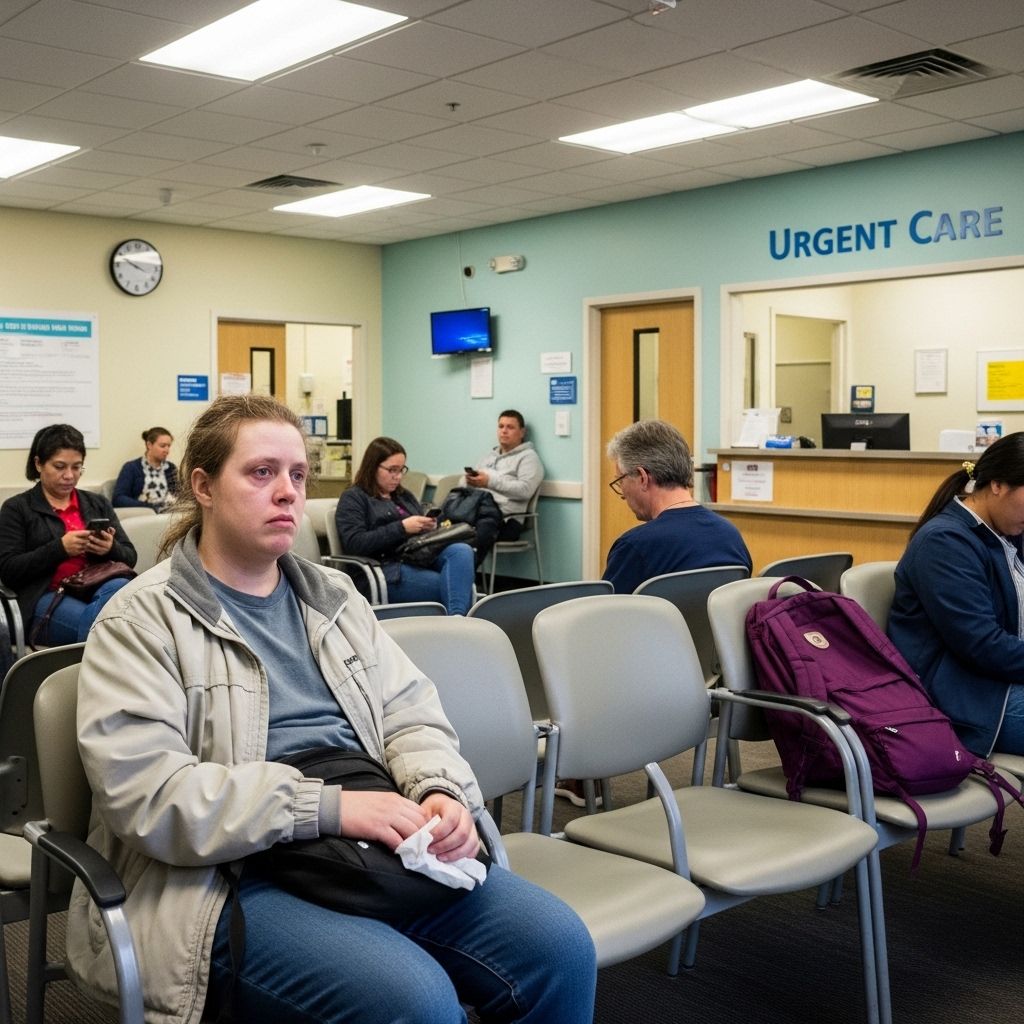
Urgent care centers are designed to handle medical issues that require immediate attention but are not life-threatening. They offer a convenient option for when your primary care practice is closed or when you cannot wait for an appointment.
When to Go to Urgent Care
Minor Injuries: Cuts, sprains, and burns.
Sudden Illnesses: High fever, severe vomiting, or diarrhea.
Infections: Ear infections, sinus infections, and urinary tract infections.
Breathing Difficulties: Mild to moderate asthma exacerbations.
Diagnostic Services: X-rays and lab tests.
Key Differences to Consider
Continuity of Care: Your primary doctor has a long-term view of your health, while urgent care provides episodic care.
Cost: Urgent care visits are typically more expensive than primary care visits.
Convenience: Urgent care offers walk-in appointments and extended hours.
Choosing the right healthcare setting depends on the nature and severity of your medical condition. For ongoing health management and preventive care, your primary care practice is the best option. When you need immediate care for non-life-threatening conditions, urgent care is a convenient alternative. At Potomac Health, we are committed to providing comprehensive primary care services to meet your healthcare needs. Schedule an appointment with our team today to experience personalized and attentive medical care, or contact us to learn more about our services.